
Door and Window, Guides, Hardware
How to Identify and Replace a Window Balance (Types, Measurements & Stamp Codes)
Window balances are one of the most commonly replaced parts in a window. Because they are mechanical components that operate under constant tension, they naturally wear out over time with regular use. One of the clearest signs that a window balance has failed is that the window won’t stay open on its own.
While replacing a window balance is often a straightforward repair, identifying the correct replacement is usually the biggest challenge. This guide will walk you through everything you need to know, including the different types of window balances, how to measure and identify yours, how to interpret stamp codes, and what information you’ll need to find the right replacement.
Prefer to watch instead?
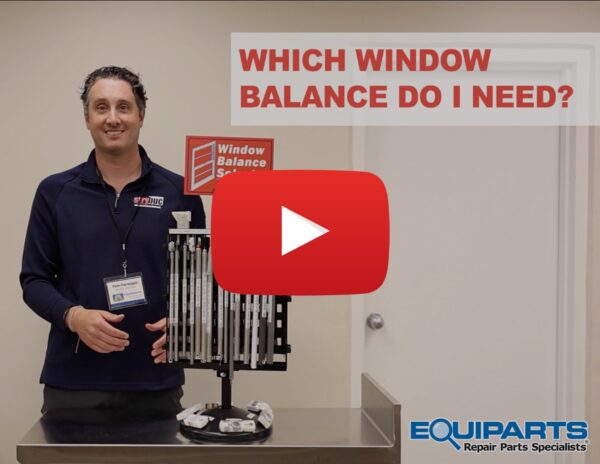
See how window balances work and how to identify the correct replacement in this video with window repair expert Pete Pierangeli III from Strybuc.
What Is a Window Balance?
A window balance counters the force of gravity to hold the sash of your window unit in place. The sash is the part of the window that holds the glass within the main frame of the window unit. The window balance is the mechanism that enables windows to open and close smoothly. It prevents the window from slamming shut.
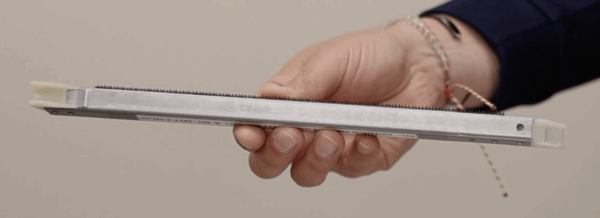
A window balance is not visible unless the window is tilted out of the window frame, an action usually taken during window cleaning. You’ll find the window balance inside the window jamb—the vertical side of the window frame.
What is the Typical Lifespan of a Window Balance?
A window balance usually lasts 10 to 20 years, though its lifespan depends on a variety of factors, including how often the window is used, the quality of the balance, the weight of the sash, and exposure to moisture or dirt. In commercial buildings or for frequently used windows, balances may wear out sooner due to heavier use.
Why Do Window Balances Eventually Wear Out?
Window balances wear out due to the weight of the window that the mechanism bears over time. This is just normal wear and tear. Common reasons include:
- Repeated use: Springs gradually lose tension, and moving parts wear from thousands of opening and closing cycles.
- Heavy window sashes: Larger or heavier windows place more stress on the balance, accelerating wear.
- Corrosion and moisture: Humidity, condensation, or water intrusion can cause metal springs and components to rust or deteriorate.
- Dust and debris: Dirt inside the window jamb can interfere with smooth operation and increase friction.
- Improper installation or incorrect balance size: Using the wrong balance or installing it incorrectly can cause premature failure.
- Age and material fatigue: Even when rarely used, springs and plastic components can weaken over time due to aging.
Are Replacement Window Balances and Replacement Channel Balances the Same Thing?
Not always. A replacement window balance is a general term for any balance used to replace a worn or broken window balance. A channel balance is one specific type of window balance that uses a metal channel with an internal spring mechanism to support the weight of the window sash.
- Channel balances are one of the most common replacement window balances used in single-hung and double-hung windows, especially vinyl and aluminum windows. Other types of window balances include spiral balances, coil balances, block and tackle balances, and overhead balances.
Window Parts You Should Know
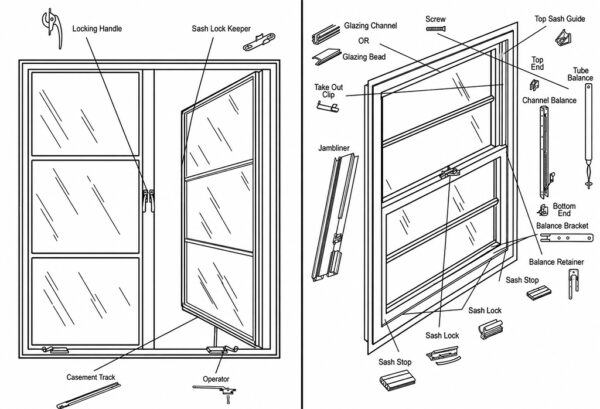
Before replacing a window balance, it helps to understand the basic parts of a window. These terms will help you identify your window type and find the correct replacement part.
Exterior Window Parts
- Head: The horizontal section at the top of the window frame.
- Jambs: The vertical sides of the window frame where the sash moves up and down.
- Sill: The horizontal bottom section of the window frame.
- Jambliner: The strip along the sides of the window frame that guides the sash and helps provide a secure fit.
Interior Window Parts
- Sash: The movable panel that holds the glass. Single-hung windows have one movable sash, while double-hung windows have two.
- Balance: A spring-loaded mechanism inside the window frame that counterbalances the weight of the sash, allowing the window to open and stay in position.
- Lift: A handle or grip used to raise the lower sash, commonly found on wood windows.
- Sash Lock: A locking mechanism that secures the window and helps prevent rattling.
Window Types
Single-Hung Windows: The bottom sash moves up and down, while the top sash remains fixed.
Double-Hung Windows: Both the top and bottom sashes can move up and down.
Casement Windows: Unlike single- and double-hung windows, casement windows open outward using a hand crank rather than sliding vertically. The window sash is hinged on one side and swings away from the house for ventilation.
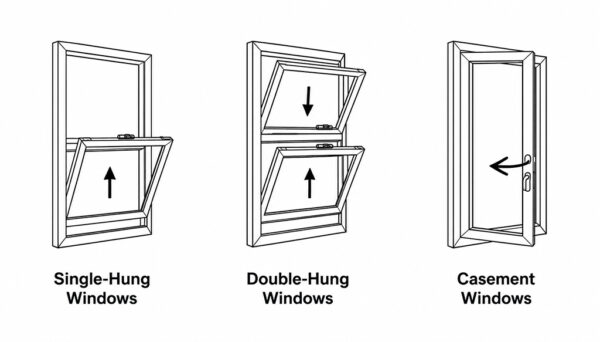
Window balances are used in single-hung and double-hung windows to counterbalance the weight of the sash, making the window easier to open, close, and hold in position. Casement and sliding windows use different operating mechanisms and typically do not require balances.
Signs Your Window Balance Needs Replacement
If a window will not stay open, drops unexpectedly, or becomes difficult to open and close, the window balance may be worn or damaged, signifying the need for a replacement window balance. Other common signs include uneven sash movement, tilting, binding, or visible damage inside the window track.
Signs it’s time to replace a window balance include:
- The window won’t stay open on its own.
- The sash is difficult to open or close.
- The window slams shut unexpectedly.
- One side of the window moves higher than the other.
- The window tilts, binds, or does not move smoothly.
- You hear a snapping or grinding noise when operating the window.
- A string, cord, spiral rod, or spring is visibly broken or disconnected.
- The balance is visible inside the track or appears damaged.
Replacing a worn window balance restores smooth, safe window operation without the need to replace the entire window unit. Repairing the balance instead of replacing the complete window provides a more affordable solution while extending the life of the existing window.
Window Balance Types
Window balances are designed for specific window configurations, so identifying how the sash operates is an important step when selecting a replacement. The balance style and its end configuration can help determine whether it is designed for a tilt or non-tilt application.
Tilt vs. Non-Tilt Balances
For windows with a movable sash, determine whether the sash can tilt inward for cleaning. This distinction is important because both spiral and channel balances are available in versions designed for tilt and non-tilt applications.
- Tilt applications: The sash can tilt inward, and the balance will have features specific to the tilt-window design.
- Non-tilt applications: The sash remains in the window frame and does not tilt inward.
The balance itself can provide additional clues. Look at the ends, clips, guides, dimensions, and identifying markings to determine the correct replacement.
Watch: How Window Balances Work & How to Identify Them
Not sure which type of window balance you have? In this video, Pete from Strybuc Industries explains how window balances work and what to look for when identifying the correct replacement.
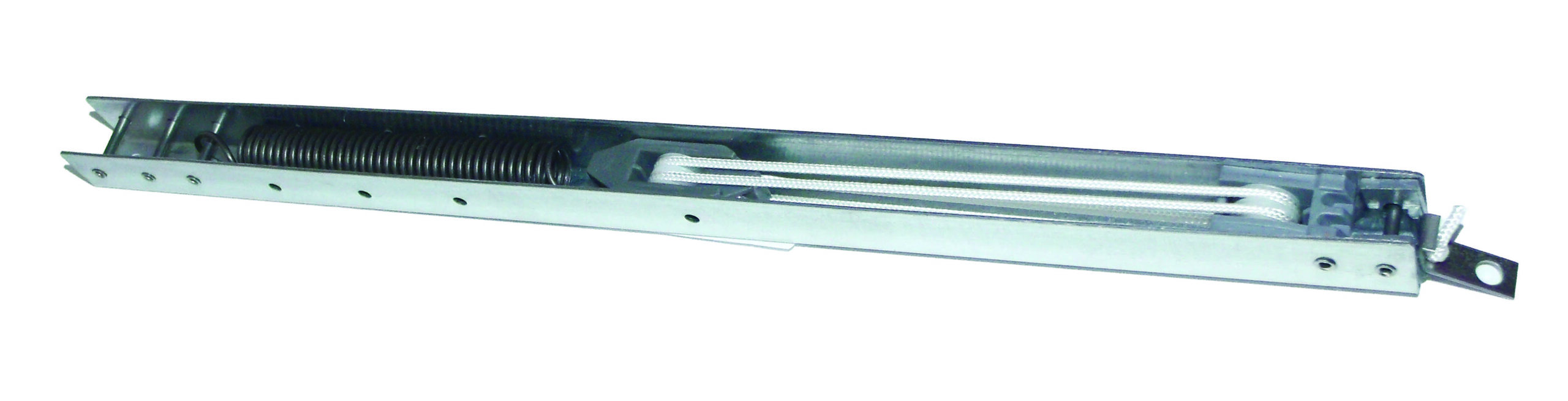
Tilt Channel Balance
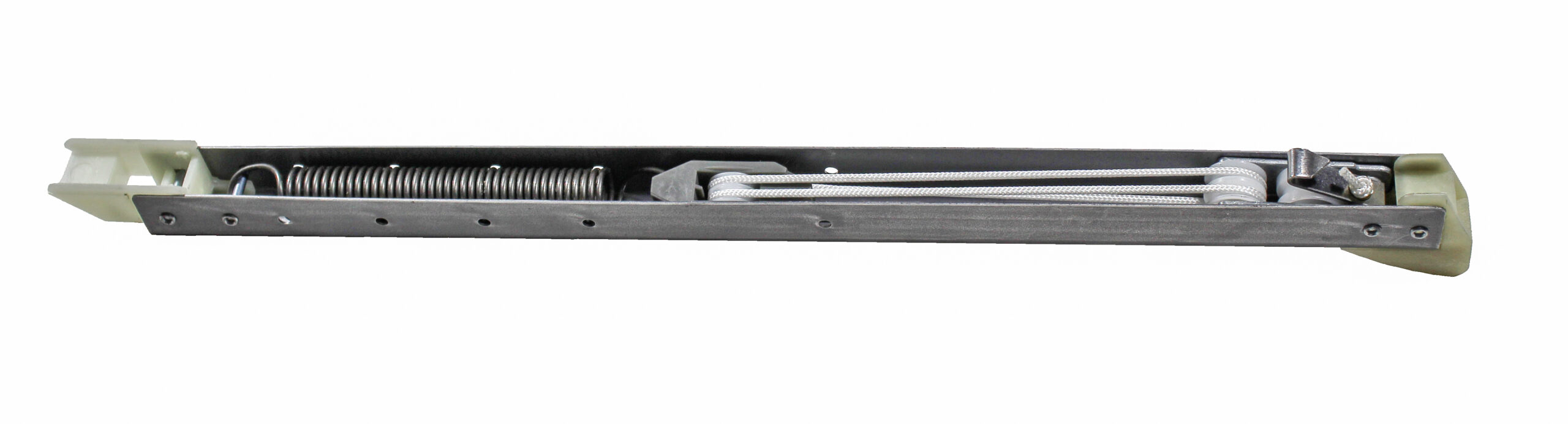
Non-Tilt Channel Balance
Channel Balances (Block and Tackle / Square Balances)
Channel balances, also called block and tackle or square balances, are commonly found in both tilt and non-tilt windows. These balances use a channel-style housing with a block-and-tackle pulley mechanism.
The end configuration can help determine whether a balance is designed for a tilt or non-tilt application. Balances with an end riveted to each side are typically used in non-tilt windows, while balances with a clip at the bottom are typically used in tilt windows.
When identifying a replacement, compare the existing balance’s channel size, guides, end configuration, and markings. Because manufacturers and suppliers may use these terms differently, the construction and measurements of the existing balance are more reliable than the name alone.
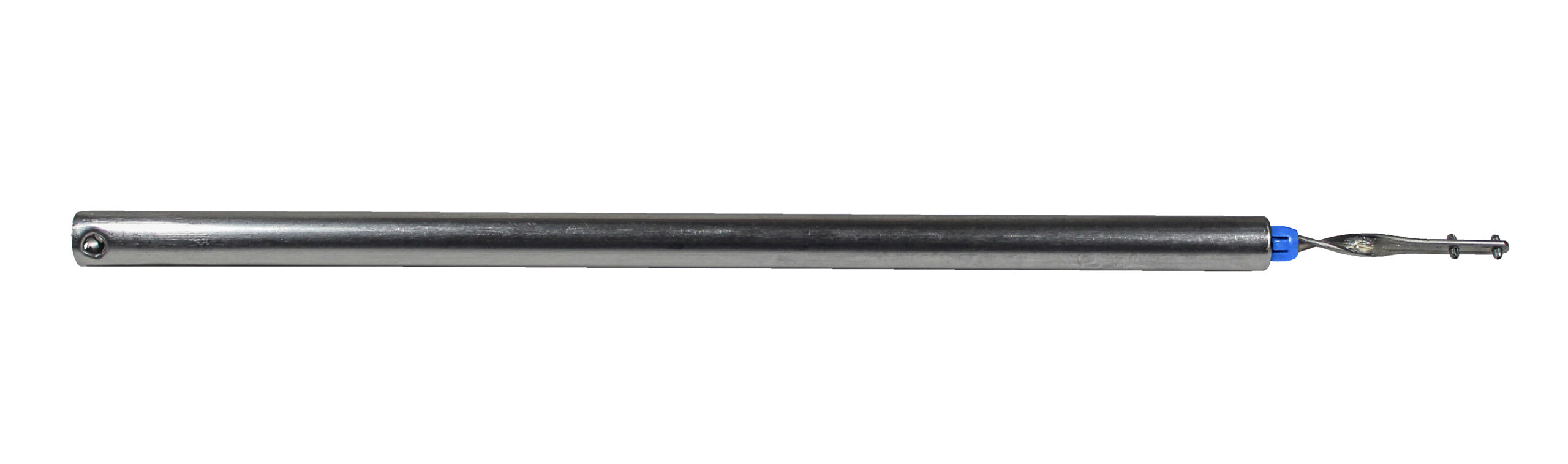
5/8” Tilt Spiral Balance
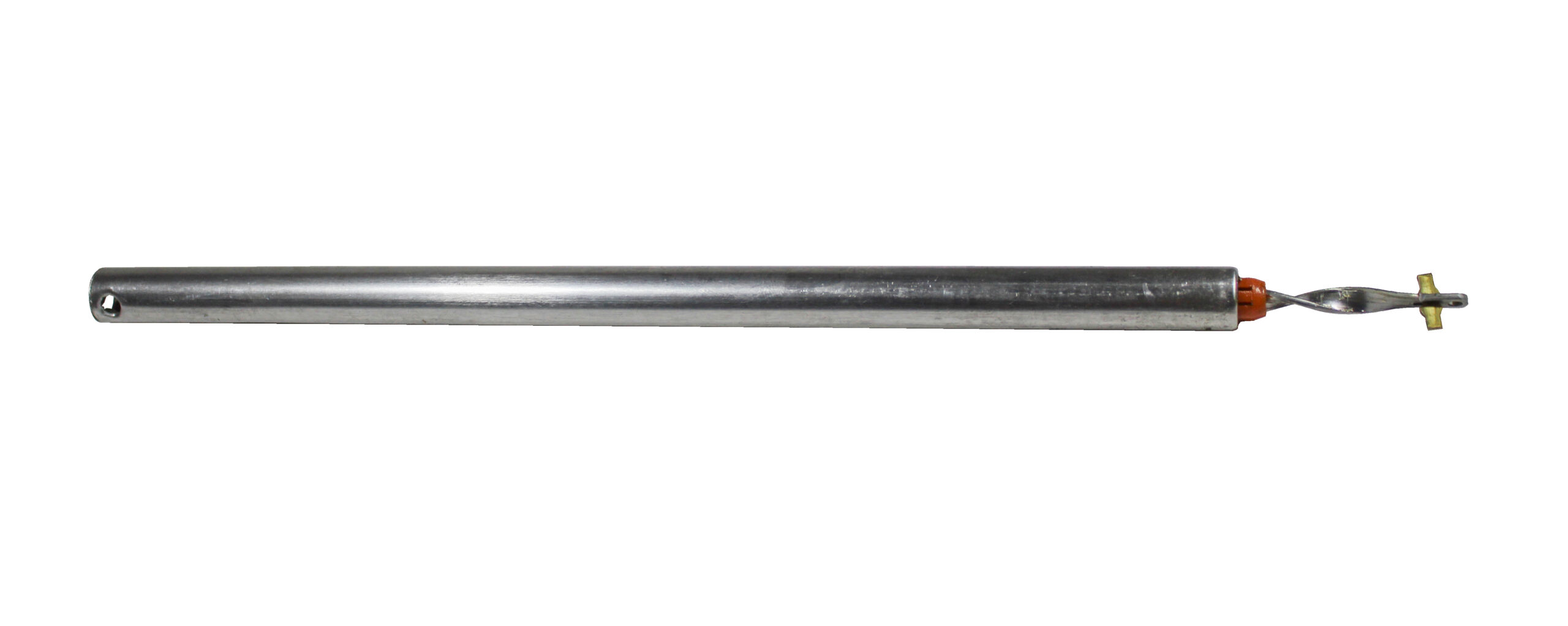
5/8” Non-Tilt Spiral Balance
Spiral (Tube) Balances
Spiral balances, also called tube balances, are available in both tilt and non-tilt versions. Tilt versions have two small nibs at the end, while non-tilt versions have an attached end or clip.
Spiral balances are available in 5/8″ and 3/8″ diameters. Diameter, length, bearing color, and end configuration can all help identify the correct replacement.

Coil Balances
Coil balances are commonly found in newer vinyl windows. Their coiled spring design makes them visually distinct from spiral, channel, and block and tackle balances.
The numbers and markings on the existing coil balance can provide important information for identifying the correct replacement.
Most Common Window Balances
60 Series Non-Tilt Channel Balances
The 60 Series Non-Tilt 5/8″ Channel Balance is one of the most common types of side load channel balances.
Common characteristics:
- Used in aluminum windows dating back to the 1960s
- Requires both a top and bottom guide attached to the balance
- Available with multiple guide variations
- Channel width: 9/16″
- Channel depth: 5/8″
Other Common Non-Tilt Channel Balance Series
60A & 60AX Series – Invisible Balances
- Installed in the side of the window sash
- Commonly used in custom wood windows where visible jambliners are not desired
- Often used in historical window restoration projects
- Original versions used wire cable designs that are no longer available
How to Identify and Order the Correct Channel Balance
Finding the correct replacement channel balance requires a few key details about your existing window balance. Providing photos, measurements, and window information will help ensure you receive the correct replacement part.
When identifying your channel balance, provide:
- Photos of the existing balance: Clear photos of the balance, including the end guides, attachments, and markings, can help identify the correct replacement.
- Balance measurements: Remove the balance from the window and measure the metal channel only—do not include the plastic ends or attachments in your measurement. Record the channel width, channel depth, and overall metal channel length. These dimensions are important for matching the correct balance series.
- Stamped markings or numbers: Many channel balances have numbers either engraved or stamped on the metal channel that identify the series, strength, and size. This is called the Stamp Code. More information on stamp codes are listed below.
- Bearing color: The color of the balance bearing is another important identification feature. The bearing color indicates the weight capacity of the balance, with red being the most common color. Other colors may indicate different weight ranges.
- Window type: Let us know whether the window is single-hung or double-hung and whether it is a tilt or non-tilt window.
- Window material: Information about the window frame, such as vinyl, aluminum, or wood, can help narrow down the correct balance.
- Manufacturer information: Make note of the window manufacturer, balance manufacturer, and any logos or identifying marks on the balance or window frame. This information can help match the correct replacement channel balance, especially when measurements or stamp codes are unclear.
- Original hardware or sample: If available, sending the existing balance or hardware sample can help confirm the exact replacement.
Because channel balances vary by window style, sash weight, and manufacturer, accurate identification is vitally important. If you are unsure which balance you need, contact Equiparts with photos and measurements, and our team can help match the correct replacement.
Locating the Stamp Code
Most channel balances have a stamp code printed directly on the metal channel. This code is one of the most important pieces of information used to identify the correct replacement balance.
Where Can I Find the Stamp Code?
Look along the metal channel of the existing balance for a stamped number and letter combination. The stamp is usually located near the end of the balance and may be difficult to see if the channel is dirty, worn, or installed inside the window frame.
Common examples include:
- 27B
- 28C
- 2830
- 29D
The stamp code identifies the strength rating of the balance, which corresponds to the approximate sash weight the balance is designed to support. A stronger balance is required for heavier window sashes.
When ordering a replacement window balance, the stamp code should be used together with:
- The balance series
- The metal channel length (measured without plastic ends)
- The window type (tilt or non-tilt)
- The balance guides or attachments
For example, a balance stamped 28C is not identified by the stamp alone—the channel length and balance style information are used together to match and help ensure the correct replacement is identified.
If the stamp code is missing or unreadable, provide photos of the balance and measurements of the metal channel. The sash weight can also be used to help determine the correct replacement balance.

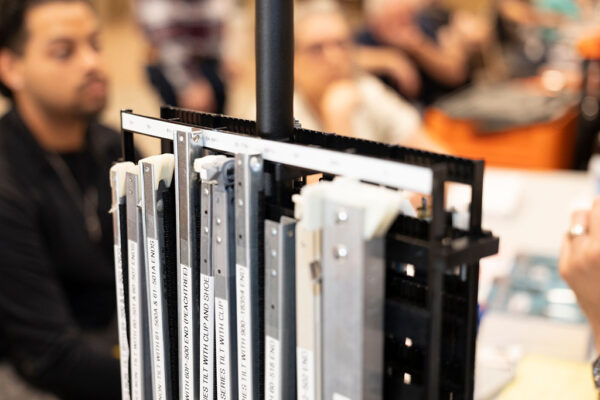
Pictured above is Chris Pofi from Equiparts with Pete Pierangeli from Strybuc, completing a window channel identification training at our most recent Sales Meeting.
Find the Right Replacement Window Balance
Replacing a worn window balance is a simple repair that can restore smooth, safe window operation and extend the life of your existing window. The key to a successful repair is identifying the correct replacement balance before ordering.
By knowing your window type, balance style, channel measurements, stamp code, bearing color, and other identifying details, you can narrow down the correct replacement part and avoid the frustration of ordering the wrong balance.
If you are unsure which window balance you need, Equiparts can help. Send us photos of your existing balance along with your measurements and any identifying information through our Contact Form, and a window part expert can help match you with the correct replacement channel balance for your window.