
Drinking Fountain / Water Coolers, Guides
How to Clean a Drinking Fountain: Step-by-Step Guide
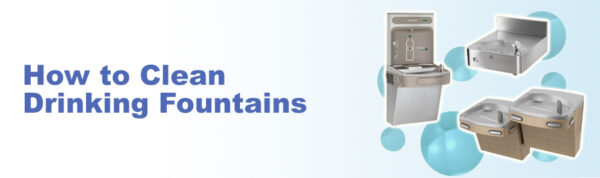
Cleaning drinking fountains and bottle filling stations is an important and ongoing task for maintenance personnel. These fixtures are commonly found in commercial facilities, including schools, hospitals, businesses, churches, grocery stores, shopping centers, and countless other public spaces.
Think about how many hands (and mouths!) come into contact with a drinking fountain each day. Drinking fountains, water coolers, and bottle fillers are among the most frequently used—and often overlooked—fixtures in a building. Germs, bacteria, dirt, and grime can quickly accumulate, especially around high-touch areas like push buttons, bubblers, and bottle filling stations.
Regular cleaning and disinfecting help reduce the spread of germs, prevent buildup, and maintain a cleaner, healthier environment for employees, visitors, and customers.
In this article, we’ll explain how to properly clean drinking fountains made from stainless steel, polyvinyl, composite, glass, powder-coated metal, stone, plastic, and chrome. You’ll also learn how to safely clean electronic displays and sensors on sensor-operated, hands-free units.
Why Is It Important to Keep Drinking Fountains, Water Coolers, and Bottle Fillers Clean?
Drinking fountains need to provide safe drinking water. Keeping the fixtures that dispense water clean helps prevent contamination at the point of use. With so many people using these fixtures throughout the day, regular cleaning and disinfecting of high-touch surfaces is especially important.
Cleanliness also affects how visitors perceive your facility. A dirty drinking fountain can discourage use and leave the impression of a poorly maintained building. Conversely, clean, well-maintained drinking fountains and bottle filling stations can leave an impact on patrons, demonstrating attention to cleanliness, and safety.
Did you know? Letting a drinking fountain run for a few seconds before drinking from it can help rinse off some of the bacteria, if there is any on the unit.
How to Clean and Disinfect Drinking Fountains, Water Coolers & Bottle Fillers
Regular cleaning helps keep drinking fountains, water coolers, and bottle filling stations sanitary, and in good working condition. Follow these basic steps when cleaning your facility’s drinking water fixtures. Suggested steps:
- Gather cleaning supplies. Use soft microfiber cloths, mild detergent, clean water, and manufacturer-approved disinfectant when needed.
- Inspect the fountain. Check the bubbler, basin, drain, push buttons, and bottle filler area for visible buildup or damage.
- Remove dirt and debris. Wipe away dust, residue, and loose debris before applying cleaning products.
- Clean the surfaces. Use the appropriate cleaning method for the fountain’s material.
- Disinfect high-touch areas. Follow the product label and fountain manufacturer’s instructions, including required contact time and any rinsing requirements.
- Clean the bubbler and basin. Pay particular attention to the drinking-water outlet and surrounding areas. Prevent cleaning chemicals from entering the water outlet.
- Rinse and dry as directed. Remove any cleaning residue where required and dry surfaces with a clean cloth.
- Check operation. Verify that water flows properly, the drain is clear, and buttons or sensors work correctly.
Always consult the drinking fountain manufacturer’s maintenance instructions before using cleaning chemicals.
Cleaning Drinking Fountain Units by Surface Type
Chrome Surfaces:
Wipe surfaces clean with an ordinary, mild, food-safe detergent and a soft cloth, then towel dry.
Composite surfaces:
Wipe surfaces clean with water or a non abrasive foam cleaner using a soft sponge or cloth. Mild abrasives like baking soda paste or liquid automotive cleaning compound can remove small scratches and stains. Do not use harsh abrasive cleaners. Periodically applying automobile wax or similar products will keep the finish looking new.
Electronic components:
Wipe with a soft, dry cloth (ideally microfiber). If needed, mist cloth lightly with ionized water.
Glass surfaces:
Wipe surfaces clean with ordinary, mild glass cleaner using a soft cloth, then towel dry.
Plastic surfaces:
Wipe surfaces clean with ordinary mild detergent using a soft cloth, then towel dry.
Polyvinyl surfaces:
Wipe surfaces clean with ordinary mild detergent using a soft cloth, then towel dry.
Powder-Coated surfaces:
Wipe surfaces clean with ordinary mild detergent using a soft cloth, then rinse and towel dry.
Stainless steel surfaces:
Wipe surfaces clean with ordinary mild detergent using a soft cloth, then towel dry. Do not use a steel soap pad.
Stone Aggregate surfaces:
Spray clean with a garden hose to remove dirt and debris.
The above cleaning recommendations are from Elkay Manufacturing.
How to Remove Hard Water Stains and Mineral Buildup From Drinking Fountains
White or greenish-bluish, chalky deposits around drinking fountain bubblers, basins, and drains are often caused by minerals such as calcium and magnesium in the water supply. Over time, these deposits can affect the appearance of the fountain and become more difficult to remove.
For light mineral buildup, start by cleaning the affected area with a soft cloth and a mild, manufacturer-approved cleaner. Stubborn deposits may require a cleaning product specifically approved for the fountain’s surface material.
Avoid using harsh abrasives, steel wool, or acidic descaling solutions unless the fountain manufacturer specifically recommends them. Certain chemicals can damage stainless steel, and chrome finishes.
If mineral deposits repeatedly accumulate around the bubbler or affect water flow, inspect the bubbler for buildup or damage that may require additional maintenance or bubbler replacement.
Cleaning Drinking Fountain Bubblers, Drains, and Bottle Filler Sensors
Some areas of drinking fountains and bottle filling stations require extra attention during routine cleaning.
Bubblers: Use a small, soft-bristled brush, such as a clean toothbrush designated for maintenance, to gently clean around the bubbler nozzle, its base, and any hard-to-reach crevices. These areas can collect mineral deposits and grime over time. Use a manufacturer-approved cleaning solution, rinse thoroughly, and avoid pushing debris into the water outlet. Never use wire brushes or sharp objects to clear the nozzle, as they can damage its components.
Drains: Remove visible debris from the drain opening and surrounding basin. Use a soft brush to loosen buildup around the drain grate or strainer. Check that water drains freely without pooling in the basin.
Bottle Filler Sensors: Gently wipe the sensor window with a soft, damp cloth to remove fingerprints, water spots, and residue that could interfere with activation. Avoid spraying cleaning solutions directly onto electronic sensors.
If a bubbler, drain, or sensor continues to malfunction after cleaning, the issue may require troubleshooting or replacement parts.
Disinfecting Drinking Fountains
Murdock Manufacturing says they recommend using rubbing alcohol to disinfect surfaces on drinking fountain units. Spray it on areas like the bubbler, basin, and any push buttons or push bars, then wait 20-30 seconds to let it work and disinfect the unit. Then use a clean, soft cloth to wipe it off.
According to the U.S. Environmental Protection Agency (EPA), isopropyl alcohol sanitizer products can be used to sanitize equipment and surfaces used in food manufacturing and food preparation. According to the CDC, isopropyl alcohol kills coronavirus and most bacteria, fungi, and many viruses. It is ineffective against bacterial spores.
Providing drinking water to patrons via a drinking fountain, water cooler, or bottle filler is an amenity provided in most public and private commercial facilities, which means that most maintenance professionals need to know how to clean them correctly and safely. Share this article with the rest of your maintenance crew to make sure they are being cleaned properly.
Signs Your Drinking Fountain May Need Maintenance or Repair
Routine cleaning is an important part of drinking fountain maintenance, but some problems cannot be resolved with cleaning alone.
While cleaning your drinking fountains, watch for these common signs that additional maintenance may be needed:
- Low or uneven water flow: Could indicate a clogged bubbler, restricted water supply, or another issue.
- Standing water in the basin: May indicate a clogged or slow-draining waste line.
- Water leaks: Check for damaged fittings, connections, or internal components.
- Unresponsive sensors or push buttons: May require troubleshooting or replacement components.
- Persistent buildup or corrosion: Could indicate an underlying maintenance issue or surface damage.
Addressing these issues promptly can help extend the life of drinking fountains, water coolers, and bottle filling stations.
Equiparts carries drinking fountain repair parts, including replacement bubblers, filters, valves, and other components for popular manufacturers such as Elkay, Oasis, Halsey Taylor, and Murdock.
Frequently Asked Questions About How to Clean Drinking Fountains
How often should your drinking fountain units be cleaned?
This depends on usage/traffic to the fountain. Generally, any fountain used by children should be cleaned daily. High traffic fountains like those found in airports or sports complexes should also be cleaned daily. Fountains used in sports complexes and other facilities that experience very high use over a short period of time can periodically be cleaned throughout the event to keep the unit clean.
How can we check that our drinking fountain water is safe?
Periodic water testing from the fountain is the best way to ensure that your drinking water is safe for consumption. There are water testing agencies throughout the country that can assess your water and verify the presence of any risks or contaminants.
What are safe cleaners or disinfectants to use on drinking fountains?
- Anti-abrasive dishwashing cleaners like dawn should be good options for cleaning. Be sure what you use is food safe, since drinking fountains provide drinking water.
- Rubbing alcohol can be used to disinfect surfaces.
What should you NOT use on your water fountain units?
Harsh, abrasive, or non-food safe cleaners.
Can patrons get diseases from unsafe drinking fountains?
Yes. Drinking fountains can harbor Legionella, as well as other harmful bacteria and viruses through the water source or in contact areas such as push buttons or the bubbler. Drinking fountains used in child centers have been found to have rotavirus, the flu, and various strains of the common cold on them.